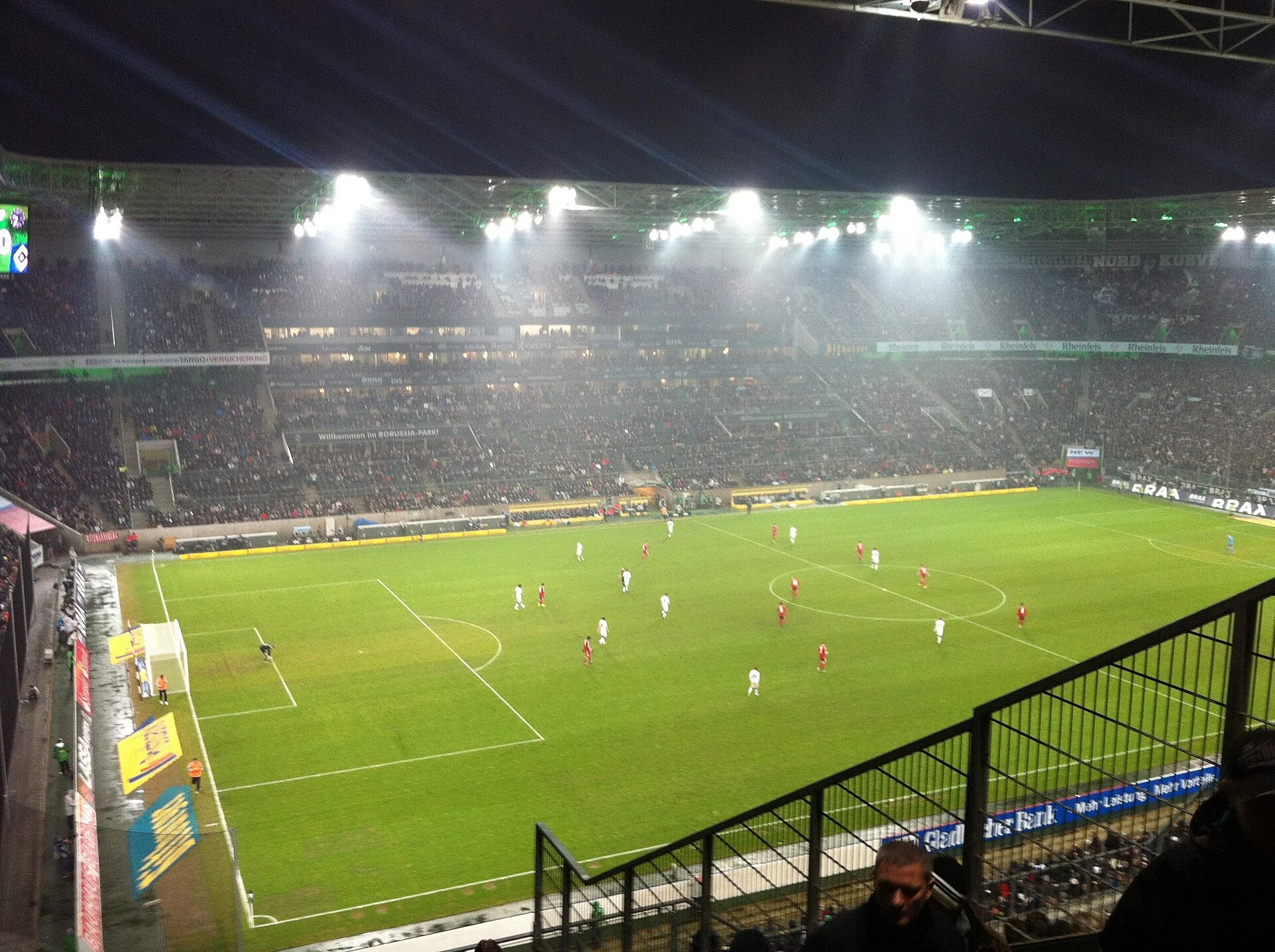
Borussia Mönchengladbach dismissed Eugen Polanski on because three straight Bundesliga defeats convinced the club that its promised reset had not arrived. Yet “sacked after three games” is an incomplete explanation. Management was also judging an uneven 2025/26 tenure and a summer in which it had publicly backed Polanski to lead the new campaign.
The timing was ruthless, but the decision was about trajectory as much as the new table. This analysis reconstructs the evidence the board saw, separates coaching failures from deeper club problems and sets out what Borussia’s next appointment must fix. It reflects confirmed information available through ; no reported successor is treated as appointed.
What Gladbach Decided After Matchday Three
Borussia Mönchengladbach removed Eugen Polanski and assistant Tobias Trulsen with immediate effect on 13 September, the morning after a 5-0 defeat at Freiburg. Sporting director Rouven Schröder's explanation was restrained but clear: encouraging pre-season signs had not produced the intended Bundesliga results, and the level of the recent performances changed the club's assessment.
That wording matters. The board did not present the decision as punishment for one scoreline or as a loss of personal trust. Polanski was described as a “Borussia man through and through,” reflecting his history in the academy, first team and coaching structure. The club instead judged that the sporting direction had become too dangerous to defend. In practical terms, sentiment lost to an early-season risk calculation.
The Results That Triggered the Call
The first three matches created three different types of crisis. Gladbach lost 3-0 at RB Leipzig on Matchday 1. The Foals began positively and generated 1.02 expected goals, but Leipzig accumulated 3.96 and repeatedly forced Moritz Nicolas into saves. That defeat could still be explained as a difficult away opener against a strong opponent.
The 4-3 home loss to promoted Elversberg was far more damaging. Gladbach led 3-1 after 56 minutes, yet conceded in the 66th and 80th minutes before Maurice Krattenmacher scored the winner in added time. It was not merely an upset; it suggested that the team could not control a favourable game state or respond effectively as momentum turned.
Then came Freiburg. A 5-0 defeat turned a poor start into an emergency: zero points, three goals scored, 12 conceded and a minus-nine goal difference. The sequence moved from a deserved away loss to a spectacular collapse and finally a rout. It gave management evidence that the problem was not confined to finishing luck or one tactical mismatch.
The board's three-game case
Leipzig exposed the performance gap, Elversberg exposed game management, and Freiburg exposed the danger of waiting. Check the live consequences in the Bundesliga table.
Why “After Three Games” Is Only Half the Story
Polanski was not an outsider hired in the summer and dismissed after his first 270 Bundesliga minutes. He had been responsible for the senior team for almost a year. The three defeats were a new-season test of an existing project, one the board had reviewed and renewed only three months earlier.
From Interim Coach to Permanent Appointment
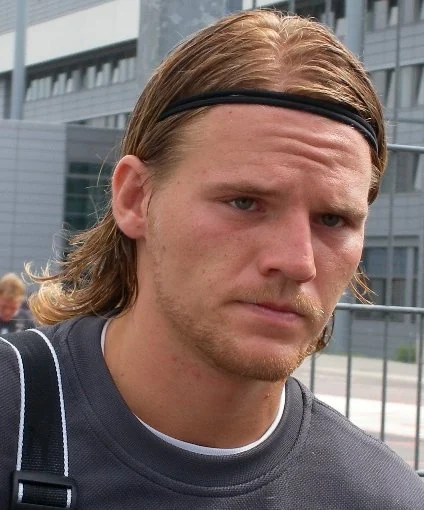
Gladbach promoted Polanski from the reserves after dismissing Gerardo Seoane in September 2025. The first-team situation was already difficult: Seoane had left with one point from three matches and a league winless sequence stretching back into the previous campaign. Polanski's opening seven-game interim spell brought two wins, two draws and three defeats.
The raw record was modest, but the direction looked better. Consecutive league victories over St. Pauli and local rivals Cologne lifted Borussia away from the bottom, while a DFB Cup win at Karlsruhe strengthened the sense of momentum. On 18 November 2025, the club made Polanski permanent through June 2028, praising both his character and his football ideas.
That promotion was understandable. He knew the academy, had coached the U17s and reserves, had played 54 senior matches for Gladbach and communicated the club's identity credibly. It was also his first permanent senior head-coach role. Borussia chose continuity and internal development over hiring a proven Bundesliga firefighter.
The Wider Record Behind the Decision
Across 31 league games in 2025/26, Polanski recorded nine wins and ten draws. That worked out to 1.19 points per match and a 12th-place finish, nine points above the relegation-playoff position. Gladbach also finished with a convincing 4-0 home victory over Hoffenheim, so the 2026/27 losses did not extend a cross-season winless run.
The more revealing detail is what happened after the season. Management did not immediately guarantee Polanski's future. It conducted a sporting evaluation before Schröder confirmed on 27 May that he would remain. The summer was therefore a conditional endorsement: the coach had achieved safety, but the club still expected a meaningful next step.
Adding the new campaign leaves a broader league record of 34 matches, nine wins, ten draws and 15 defeats. The board did not erase the successful rescue or the strong final day. It concluded that the fresh evidence had failed the test set by its own May review. That distinction makes the timing severe, but not inexplicable.
What Failed on the Pitch
Gladbach's failure was not one isolated tactical defect. The team could create chances when a game became open, but it could not generate reliable pressure while preserving defensive control. That imbalance produced the worst possible combination for a coach under review: two scoreless defeats and one seven-goal thriller that Borussia still lost.
An Attack Without Enough Threat
All three of Gladbach's goals came in the Elversberg match. Hugo Bolin scored twice before half-time, and Joe Scally converted Franck Honorat's second assist to make it 3-1. The 2.74 expected-goals total confirms that Borussia's attacking output that afternoon was real. It was not simply three speculative efforts flying in.
The problem was reproducing that threat. At Leipzig, Gladbach generated 1.02 xG against Leipzig's 3.96 and did not score. Freiburg also kept a clean sheet. An attack that works only when a match stretches cannot consistently rescue a side with defensive problems. Once opponents denied early transitions or Borussia fell behind, possession lacked the volume of clear chances required to change the game.
Personnel complicated the picture. Tim Kleindienst was returning from a long injury disruption, while younger attackers and new combinations still needed rhythm. Those are mitigating factors, but a summer reset was supposed to create a clearer collective route to goal. Three goals in one hour followed by two blanks instead made the system appear dependent on individual bursts.
A Defence Exposed When Games Opened Up
The concession pattern was brutally simple: three, then four, then five. Leipzig repeatedly reached dangerous positions and forced Nicolas to limit the damage. Against Elversberg, the deeper concern was control. A 3-1 lead after 56 minutes should have allowed Borussia to reduce risk, protect central spaces and make the promoted visitors chase safely. Instead, three goals arrived in the final half-hour.
That collapse echoed an uncomfortable episode from Polanski's interim spell, when Eintracht Frankfurt raced 6-0 ahead at Borussia-Park before a late rally made the score 6-4. Different seasons and line-ups were involved, but management could reasonably see a recurring inability to stop matches from becoming chaotic once the first defensive protections failed.
After Freiburg, 12 goals conceded in three games meant an average of four per match. Tactical ideas require time, yet rest defence, spacing and emergency game management are also baseline coaching responsibilities. The latest Bundesliga results made the trend too visible for the board to dismiss as variance.
Why the Board Chose a September Reset
Gladbach chose September because the next two calendar points pulled in opposite directions. Mainz were due at Borussia-Park on 19 September, and Schröder stressed after Freiburg that the team could not drift into the following three-week international break on zero points. Removing Polanski immediately gave an interim coach several training days before that match and gave management the break to pursue a longer-term solution.
This is an inference from the public schedule and the sporting director's comments, not a claim about a private board plan. Yet the alternative was obvious: grant Polanski one more match, risk a fourth loss, and then begin the same process with supporter anger deeper and the club's bargaining position weaker. Early action bought time, even if it did not guarantee a better appointment.
The decision was awkward precisely because Borussia had made a conscious choice in May. Schröder's post-season review retained Polanski while calling for changes to the playing squad and coaching staff. The coach was involved, offered improvements and was publicly praised for handling criticism and injuries without excuses. By opening day, this was supposed to be a jointly designed reset—not an inherited emergency.
| Choice | Possible benefit | Main risk |
|---|---|---|
| Keep Polanski for Mainz | One final chance to prove the reset | A fourth loss wastes the break and intensifies the crisis |
| Change immediately | New voice now; search time during the break | Board admits its May decision failed after only three games |
The club had changed course after Matchday 3 the year before as well, dismissing Seoane. That precedent explains institutional willingness to act, but it is not an exact parallel: Seoane's removal followed ten winless league matches across two seasons. Polanski's case was about the severity of a fresh collapse after a reviewed project. Supporters checking this weekend's Bundesliga schedule will care less about precedent than whether the reset produces an organised response against Mainz.
How Much Blame Belongs to Polanski
Polanski deserves substantial responsibility, but not exclusive blame. A head coach controls the team's structure, selection, preparation and response during a collapse. Gladbach's inability to close the Elversberg match and the repeated loss of defensive protection sit directly within that remit. The board, however, selected the coach, approved the squad reset and publicly committed to the same football plan in May.
Squad Building, Injuries and Leadership
The summer changed more than the coach's expectations. Nico Elvedi and Rocco Reitz departed, removing an experienced centre-back and a dynamic academy-developed midfielder. Ko Itakura returned from Ajax to restore quality and familiarity in defence, but integrating him with Kevin Diks and new full-back options still required time. A rebuilt back line conceding 12 is a coaching failure and a recruitment transition at once.
The attack also revolved around a captain without normal continuity. Kleindienst had missed 31 league matches in 2025/26 and made only three brief appearances. His physical presence, aerial ability and pressing leadership were central to the planned system, yet returning fitness could not instantly recreate peak form. His second yellow at Freiburg then removed him during the rout and made him unavailable for the immediate response against Mainz.
None of this absolves Polanski. Coaches are paid to design alternatives when ideal personnel are unavailable. It does explain why assigning every symptom to one man is too convenient. The Bundesliga club landscape repeatedly shows that squad construction and coaching outcomes cannot be separated cleanly.
The Case That Patience Might Have Worked
There was evidence for patience before competitive football began. Gladbach won every listed friendly, including 4-1 against Hoffenheim and 2-1 against Aston Villa, then beat Schott Mainz 5-0 in the DFB Cup. The intended style—higher pressing, faster transitions and greater intensity—looked coherent enough for the club's own season preview to call preparation highly promising.
Three league matches are a tiny sample for a transformed group. One included a strong attacking spell and another began with Gladbach matching Leipzig confidently. A patient board could have argued that repeated training and improving fitness would eventually connect those moments into complete performances.
But patience is not neutral when the losses are this severe. Pre-season wins do not carry points, and weaker competitive pressure can disguise the spaces a Bundesliga opponent exploits. The defensible conclusion is narrower than “Polanski had no future”: Gladbach decided the downside of waiting exceeded the chance that encouraging fragments would become a stable team. That is a judgment call, not mathematical proof.
What Gladbach Must Do Next
Gladbach now have two jobs with different clocks. The coaching staff must prepare a recognisable, safer team for Mainz within days. Sporting management must use the international break to find a permanent coach whose methods match the rebuilt squad. Rushing the second task because the first feels urgent would repeat the decision-making problem the club is trying to escape.
The Immediate Caretaker Plan
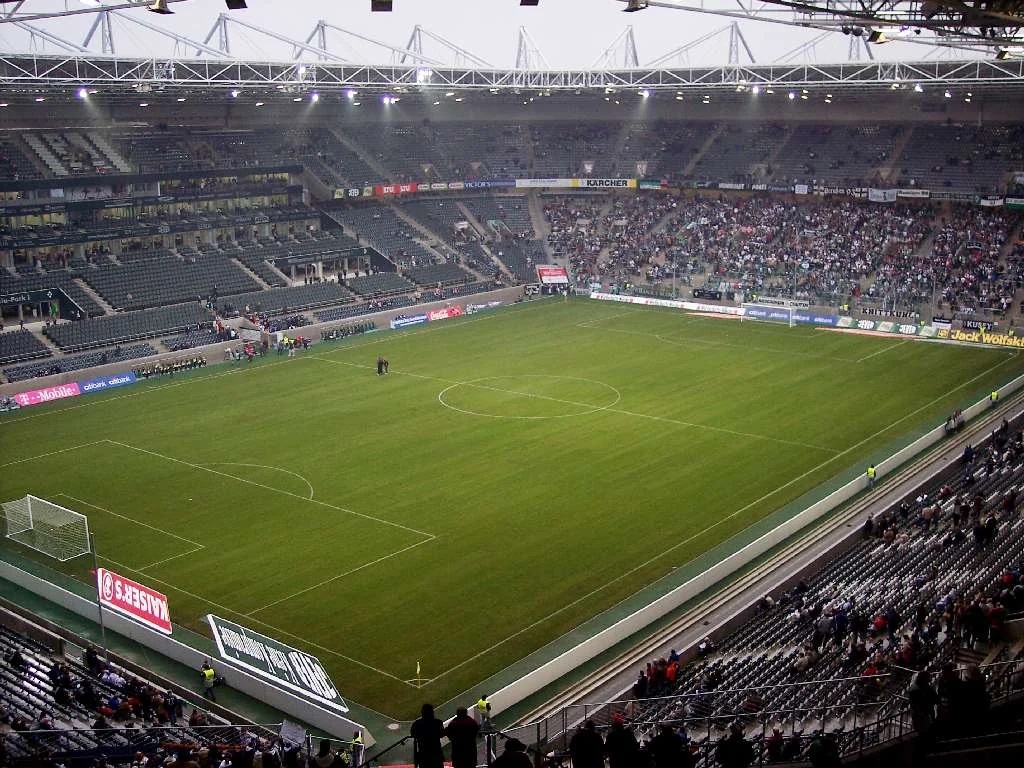
Jan-Moritz Lichte is in interim charge for the home game against Mainz on 19 September at 15:30 CEST. He is not arriving cold. Lichte joined Polanski's staff during the summer alongside Markus Gellhaus, after experience that included Mainz and work at Manchester City. He knows the training programme, the players and the ideas that failed in the opening matches.
That continuity is useful, but it also means a new voice alone cannot be the plan. Lichte's immediate priorities should be visible and limited: reduce the distance between midfield and defence, decide how aggressively the full-backs can advance, and preserve a stable rest structure when Gladbach attack. With Kleindienst suspended, the caretaker also needs a forward plan that does not pretend the captain's hold-up play can be replicated exactly.
A narrow win would change the mood, not solve the project. The meaningful test is whether players respond to setbacks without the match becoming uncontrolled. Supporters can follow the confirmed dates on the Borussia Mönchengladbach schedule.
The Profile of the Next Coach
As of 14 September, Borussia had not announced a permanent successor. That makes a list of circulating candidates less useful than a job description. The next coach must organise a defence quickly, but cannot simply retreat into a low block for the rest of the season. The squad was assembled to press, transition and develop younger players; abandoning all of that would create another expensive reset.
Experience with relegation pressure would help, as would comfort using existing assistants rather than demanding an entirely new staff. More important is clarity: players returning from injury and newcomers replacing established leaders need simple roles, consistent selection logic and an escalation plan for protecting leads. Borussia also need a coach willing to challenge recruitment decisions privately while taking public responsibility for the team.
Polanski's dismissal can create a short bounce, but it cannot repair unclear sporting strategy by itself. The next appointment succeeds only if Schröder and the coach agree on what this squad is built to do. Three matches ended one project; the lesson should be to define the next one before announcing its leader.
JOIN THE DISCUSSION
Comments
Sign in with Google to comment. Keep the discussion focused on Bundesliga football and respectful to other supporters. New comments are reviewed before publication.
Loading comments…