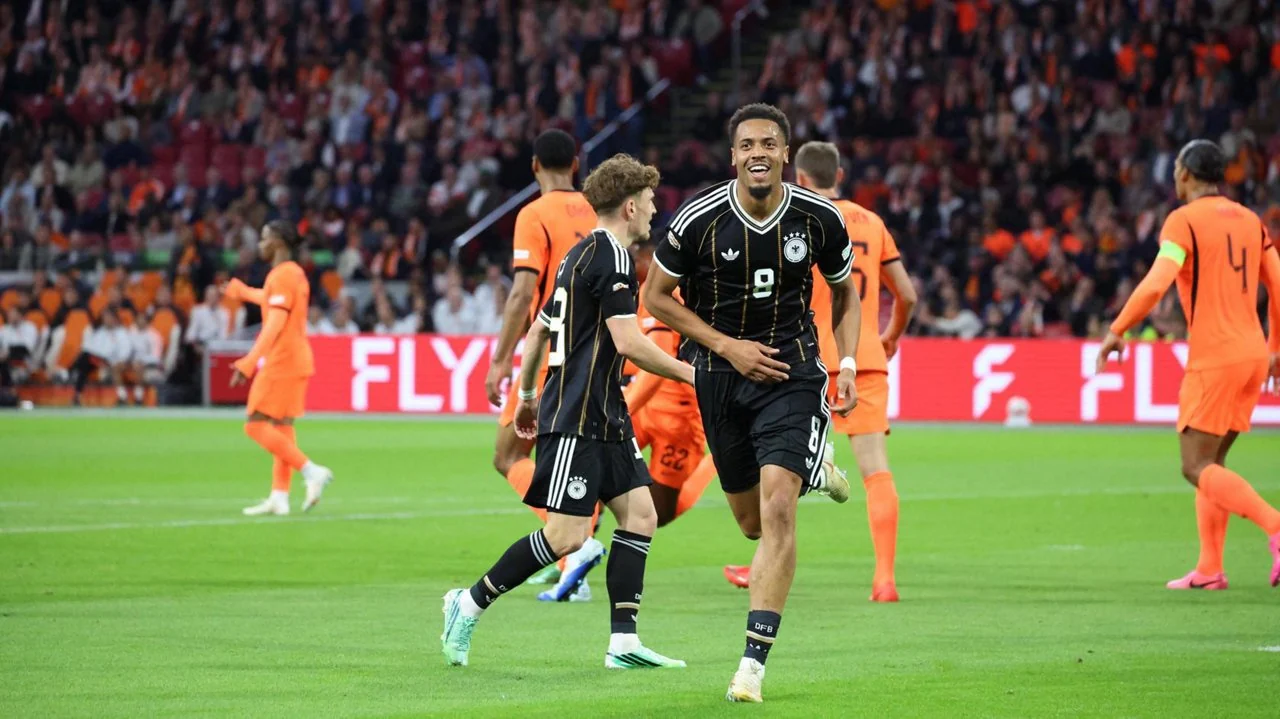
Quick answer: The Bundesliga is between Matchdays 4 and 5 because FIFA has combined its September and October national-team windows into one 16-day, four-match release period. The last league weekend was 18–20 September 2026. Domestic play returns on Friday, 9 October, when Borussia Dortmund host Werder Bremen at 20:30 CEST. The gap between league weekends feels close to three weeks; the international release itself is shorter. Below are the dates, what clubs and players are doing, and the checks that matter before the first whistle.
When Bundesliga play stopped and when it resumes
Bundesliga football returns on Friday, 9 October 2026. Borussia Dortmund host Werder Bremen at 8:30 p.m. in Germany, opening Matchday 5. The last league matches before the interruption were played on the Matchday 4 weekend of 18–20 September. If you are looking at the Bundesliga calendar on 30 September and wondering why no league fixture appears this weekend, there is no postponed round to make up: the domestic schedule deliberately stops while players are released for international duty.
| Date | What is happening | What a Bundesliga fan should expect |
|---|---|---|
| 18–20 September | Matchday 4 | The final Bundesliga weekend before the pause. |
| 21 September–6 October | FIFA international window | National teams can call up club players; Bundesliga matches are not scheduled. |
| 7–8 October | Return and preparation days | Clubs regroup, but squad availability still needs confirmation. |
| 9–11 October | Matchday 5 | The domestic league resumes, beginning with Dortmund–Werder on Friday. |
The dates describe two related clocks. The FIFA release window covers 16 calendar days when counted inclusively, from 21 September through 6 October. Bundesliga fans, however, experience a gap from the end of the 20 September fixtures until the first game on 9 October. That leaves 18 complete dates without a Bundesliga match between those endpoints. Measured from the opening Friday of Matchday 4 to the opening Friday of Matchday 5, the fixture weekends are exactly three weeks apart. Calling the whole interruption a “three-week break” is natural shorthand, but calling the international release window itself three weeks would blur the useful distinction.
There is also a timezone trap. The official fixture database lists Dortmund–Werder at 20:30 in Germany and 18:30 UTC. A schedule widget displaying 18:30 may have converted the kickoff to UTC or your device timezone; it has not necessarily moved the match. Check the timezone label before arranging a watch party or travel, especially if you follow the league from outside Europe.
The confirmed fixture tells you when the game is scheduled, not which returning internationals will start it. Use our Bundesliga calendar to follow the matchday, and revisit the club's squad news closer to kickoff. The reasons for the unusually long autumn pause lie in FIFA's redesigned release calendar, which affects the whole league rather than just the clubs that supplied the most national-team players.
Why the September and October windows became one
The length of this interruption comes from FIFA's men's international match calendar. From 2026, FIFA places one 16-day national-team window across late September and early October where the calendar previously had two separate nine-day windows, one in each month. Domestic leagues pause because clubs must make eligible players available to their national teams during these dates. The Bundesliga did not decide to insert an extra holiday between its fourth and fifth rounds. Its fixtures are arranged around the common international release period.
That distinction matters when a supporter sees September's domestic momentum suddenly disappear. Moving two interruptions into one changes the shape of the season: a longer quiet stretch now, with no second October international pause a few weeks after play restarts. It does not add a surprise Bundesliga round later in the month, and it does not mean club players have three weeks free. Most internationals will be training, travelling or playing for their countries while supporters wait for Matchday 5.
Four national-team games fit into a single release period
FIFA's calendar allows up to four national-team matches in the combined autumn slot, rather than two in each of the old September and October slots. The change rearranges the same broad annual programme: the league's explanation says the total allocation across the year's international windows remains ten matches. That is why the pause is longer even though the national sides have not been handed four additional games. A fan may watch several Nations League fixtures during the gap, but those results do not move the Bundesliga table.
Germany offers an unusually clear 2026 example. Its four-game sequence runs through the Netherlands, Greece, Serbia and Greece again. Jürgen Klopp named two squads for the stretch, and the league reported his concern with looking at players while leaving room for recovery between club duty and national-team duty. Splitting personnel is one response to the dense schedule; it is not a guarantee that every Bundesliga player returns rested. Clubs still have to see when their own internationals finish, travel home and rejoin training.
Fewer trips come with a longer domestic pause
The travel logic is straightforward. A player based in Germany who represents a distant national team can potentially make one outward-and-return journey during a combined call-up instead of two separate journeys across September and October. The league uses Bayern's Luis Díaz and possible Colombia duty as an example of how transatlantic travel could be reduced. Whether any individual player actually saves a flight depends on selection and the national team's itinerary; the structural benefit is fewer separate release cycles.
For a club supporter, the trade-off feels different. Two shorter interruptions would have broken up the season twice; this design removes that repeated stop-start rhythm but leaves a conspicuous empty league weekend now. Neither preference is irrational. The practical point is to avoid reading the long gap as a postponement or a sign that the 2026/27 schedule has slipped. It is a planned change to the shared calendar, and the exact return remains the Matchday 5 weekend beginning 9 October.
What happens to Bundesliga players on international duty
The break in Bundesliga matches is busy for many of the players you see every weekend. Bayern's Harry Kane is with England, Michael Olise and Dayot Upamecano are among France's call-ups, and Joshua Kimmich is one of several Bayern players in Germany's plans. Dortmund's list stretches from Nico Schlotterbeck and Felix Nmecha with Germany to Gregor Kobel with Switzerland and Serhou Guirassy with Guinea. The league's call-up tracker also includes younger national-team selections, so the absence of a senior cap does not automatically mean a player has stayed at the club training ground.
Those names explain why “the league is off” is different from “the players are resting.” An international can have training, two or more matches and cross-border travel while a club teammate who was not selected follows a very different programme. For the coaching staff, the first question on return is not simply whether a player was called up. It is how many minutes he played, where he travelled, when he arrived back and how he feels in the next training session. A national-team appearance is useful evidence of recent match fitness, but it cannot promise another 90 minutes for his club days later.
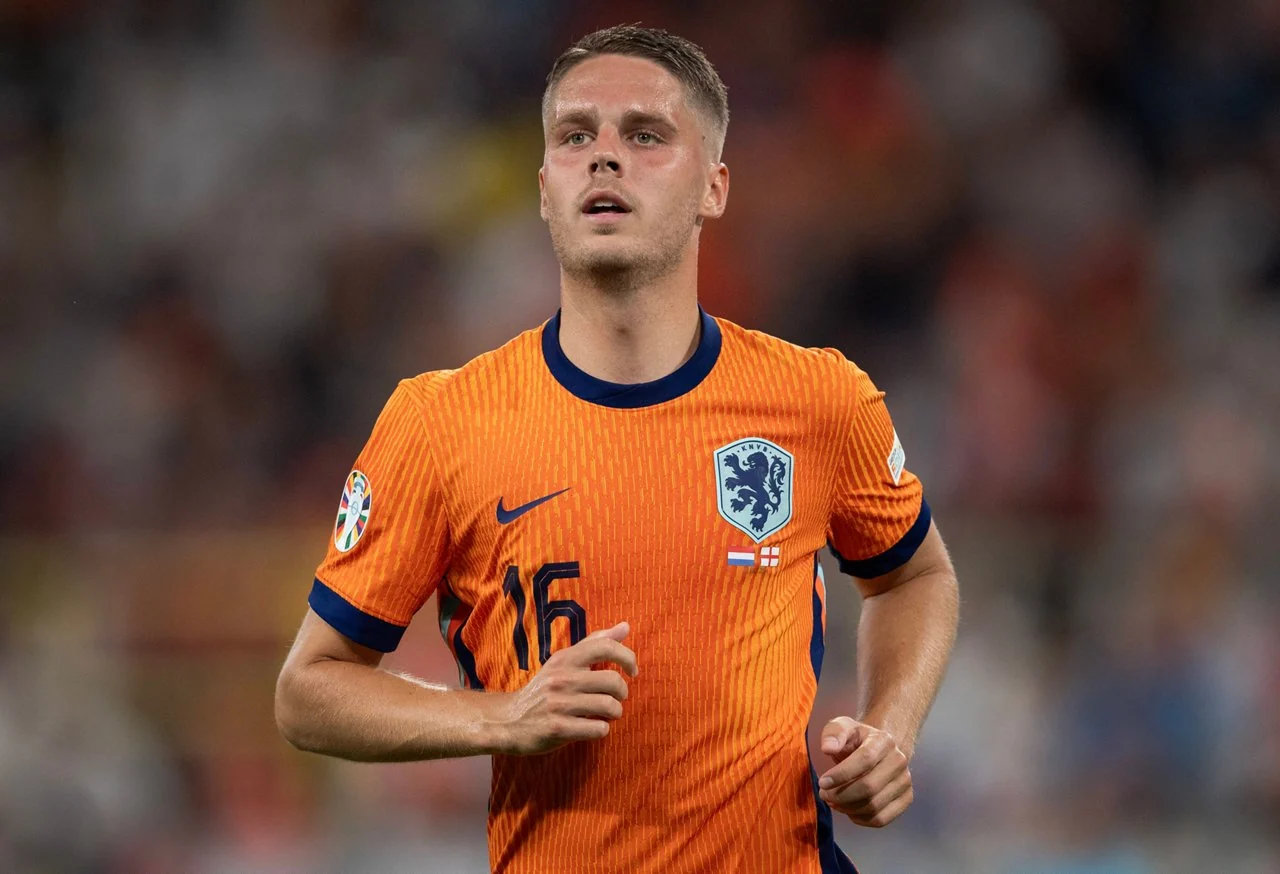
Germany's arrangement makes that timing unusually visible this autumn. The DFB named 44 players across two groups for four Nations League games. Its first group was scheduled for the Netherlands on 24 September and Greece on 27 September; a further group was due to join for Serbia on 1 October and Greece on 4 October. The DFB said most players from the first two fixtures would then return to their clubs. A Bayern or Dortmund supporter therefore cannot apply one return date to every Germany international, let alone to an England, France or Guinea international.
Why an international injury can change Matchday 5 plans
Jamal Musiala is a timely example of why early projected lineups are fragile. The Bayern playmaker was due to feature for Germany against the Netherlands on 24 September but withdrew during the warm-up. Bayern then confirmed a torn muscle fibre in his right thigh on 25 September and said he would begin rehabilitation at the club. The club's statement establishes the diagnosis and the next step; it did not give a Matchday 5 return date. A supporter should not convert the injury name into a firm prediction about his next league appearance.
For a supporter, the right sequence is simple: follow the national team's match report for the incident, the club's medical or training update for availability, then the announced match squad and starting eleven near kickoff. Avoid turning a mid-break headline into a firm Matchday 5 prediction. Bayern can adjust its attacking roles, and another club can face a similar late return or knock, but those are coaching choices until the club confirms them. The international break changes the information you need to check, even while the Bundesliga standings remain frozen.
How clubs work through three weeks without league football
A club does not receive three uninterrupted weeks with its full squad. Borussia Dortmund reported that 20 first-team players had been called up for national teams in this window. Running a normal full-squad tactical session while that many players are elsewhere would be impractical. Coaches can still work with the remaining group, review the first four matchdays and prepare ideas for the restart, but any claim about a finished Dortmund game plan before the internationals return would be guesswork. For a side that began with four league wins, preserving rhythm is attractive; getting players back healthy is the immediate constraint.
Bayern offered an even more concrete glimpse of the different routines inside one club. Its live update said Vincent Kompany had not scheduled official collective training sessions during a week when the bulk of the squad was away. On 22 September, however, Aleksandar Pavlović, Jonas Urbig and Lennart Karl took part in individual work at Säbener Straße before later Germany duty. That is neither a full holiday nor a full team camp. It is a staggered programme shaped by call-up dates and player needs, and the details can change from one week of the break to another.
Paderborn provides a very different, verified use of the window. The league's tour report named a 28-player travelling group, with Laurin Ulrich and Luka Duric missing the trip for national-team duty. The newly promoted club spent 25 September–1 October in Washington, D.C., with training, community events and a friendly against Major League Soccer's D.C. United on the itinerary. That fixture lets players gain competitive minutes and gives the coaching staff a test in a match setting, but it is an exhibition. Its score does not add points to Paderborn's Bundesliga total or replace a missed domestic round.
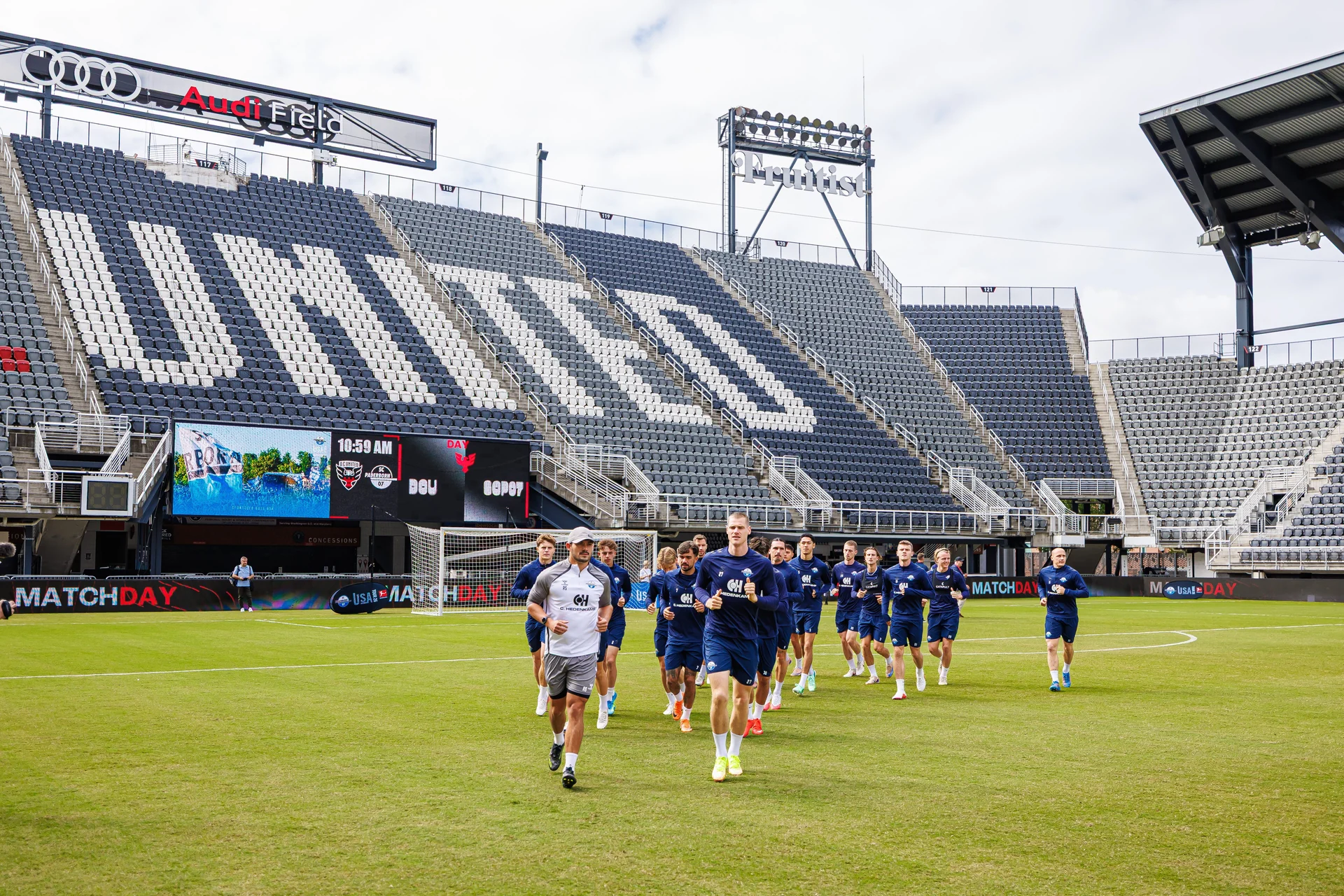
These examples make the practical difference between clubs easier to see. Dortmund's large international contingent limits how much of its regular first eleven can rehearse together. Bayern's published update shows targeted individual work amid a sparse training group. Paderborn's tour shows that a club with more available players can organise a shared trip and friendly. It would be unsafe to rank which approach is best before the next league game; the clubs have different squads, travel demands and sporting priorities.
When you read a mid-break club headline, check the date and the type of session. “Back in training” can mean individual rehabilitation, a small-group workout or the full first team. “Won a friendly” means preparation rather than a change in league position. The meaningful competitive test comes when Dortmund, Bayern and Paderborn resume Bundesliga fixtures in October. Until then, official club updates tell you more about their immediate readiness than a generic claim that the long pause helps or harms everyone equally.
What fans can follow before Matchday 5
There is no Bundesliga league match to watch on the two weekends inside this interruption, but there are several useful ways to stay connected to your club. Start with the national-team fixtures involving its players. Germany's Nations League programme, for example, spans the Netherlands, Greece, Serbia and a second Greece game, while Bayern and Dortmund players also represent England, France, Switzerland and other countries. The league's international-duty tracker links the call-ups with match updates. It is a better way to follow the players than treating an old predicted club lineup as current.
Keep two scoreboards separate. A Dortmund player scoring for Germany can be excellent news for his confidence and form, but it does not add a goal to Dortmund's league record. Conversely, a national-team defeat does not cost Bayern or Dortmund Bundesliga points. The league table remains where Matchday 4 left it until the first Matchday 5 final whistle. If you are checking our Bundesliga calendar, the empty domestic dates are consistent with the international release window, not evidence that live-score coverage has missed a round.
The official Bundesliga Fantasy Manager gives another concrete task for supporters who use it. Its 2026/27 rules mark 21 September through 8 October as an unlimited-transfer period between Matchdays 4 and 5. That lets you reshape a squad before Dortmund–Werder starts the new round on 9 October. “Unlimited” applies to the number of transfers during that window; it does not remove the game's budget, position or club-count requirements. An injured player or a late international return can also change a fantasy decision after an early draft, so save your final roster check for closer to the first kickoff.
If fantasy is not your interest, the same order of checking helps with ordinary match planning. First see who played and travelled for a national team. Next look for the club's training, medical and pre-match updates. Then check the confirmed fixture listing and, on matchday, the announced squad. Each stage answers a different question. International match minutes tell you what a player has done; club communication tells you what may be possible next; the team sheet tells you what the coach actually chose.
Avoid reading too much into a single warm-up photo or a friendly result. A player can return to individual work before team training, and a club can win a friendly without improving its league position. The break is most useful to a fan as a period for watching those changes unfold, then making one fresh check as Matchday 5 approaches. The next section puts the first confirmed fixtures and the practical final checks in one place.
How to plan the return without mistaking a fixture for a lineup
A confirmed kickoff is the reliable starting point for planning the return. The Bundesliga has scheduled Matchdays 5 through 11 to exact dates and times, so supporters can already identify the first weekend back. What nobody can identify from that fixture notice alone is the final starting eleven, the status of every returning international or the channel carrying a game in every country. Keep those separate: fixture, squad and local viewing information are confirmed at different times.
The first confirmed Bundesliga matches after the break
These three fixtures anchor the restart, with all kickoff times below shown in Germany's local time, CEST (UTC+2) on this October weekend. Dortmund and Bayern have published their own match information, and the league's fixture release confirms the Cologne derby. Other Matchday 5 games also fill Saturday and Sunday; use the full Matchday 5 fixtures for the complete slate rather than assuming this short list is the entire round.
| Germany date and time | Match | Why it matters to the restart |
|---|---|---|
| Fri 9 October, 20:30 CEST | Borussia Dortmund vs Werder Bremen | The first Bundesliga fixture after the long pause. |
| Sat 10 October, 15:30 CEST | Augsburg vs Bayern Munich | Bayern return with an away Bavaria derby. |
| Sun 11 October, 15:30 CEST | Cologne vs Borussia Mönchengladbach | A Rhine derby closes the gap for supporters of those clubs. |
The Dortmund fixture has an extra practical wrinkle for travellers. BVB said on 15 September that the home game was sold out and that its official ticket resale market had opened. That is a dated availability notice, not a promise that a resale ticket exists now. Check the club's current ticket page before making a journey or buying through another route. For matches elsewhere, the same rule applies: treat venue and kickoff as planning anchors, then verify the live ticket status with the host club.
A sensible final check before travelling or tuning in
In the final day before your match, look at the calendar for the date and local-time conversion, then the club's latest match preview for player availability. On matchday, use the games today page for the active fixture and score. Check the announced team sheet rather than relying on a lineup prediction posted during the international window. If you are watching remotely, use the TV schedule as a starting point and confirm the broadcaster in your own region, since rights and channel information depend on location.
The pause feels long because two planned international windows have been joined into one, while the league's first four rounds built an early story that supporters want to follow. By 9 October, that story finally resumes on the pitch. Until then, the dates are firm enough to plan around, but the personnel and matchday details deserve one fresh check when the players are back with their clubs.
JOIN THE DISCUSSION
Comments
Sign in with Google to comment. Keep the discussion focused on Bundesliga football and respectful to other supporters. New comments are reviewed before publication.
Loading comments…