Yan Diomande won Bundesliga Rookie of the Season for 2025/26. The league's official newcomer award is often described as its young player prize, but eligibility depends on age and prior Bundesliga experience. Here are the completed winners and the published framework.
Is Rookie of the Season the Bundesliga’s young player award?
The Bundesliga's Rookie of the Season is the official award most closely matching a search for the league's young player of the season. Its scope is more specific than that informal description: it recognises an outstanding eligible newcomer to Bundesliga football. Age matters, but so does previous experience in the competition. It is therefore not an unrestricted vote among every talented player below a particular birthday.
That distinction explains why a teenager established in a Bundesliga first team can be outside the rookie field while an older newcomer remains eligible. Being young and being new to the league are different conditions. A player who has already accumulated substantial Bundesliga experience cannot simply re-enter the rookie race every season until turning 23. The award creates a space for a breakthrough campaign rather than repeatedly comparing the same established young stars.
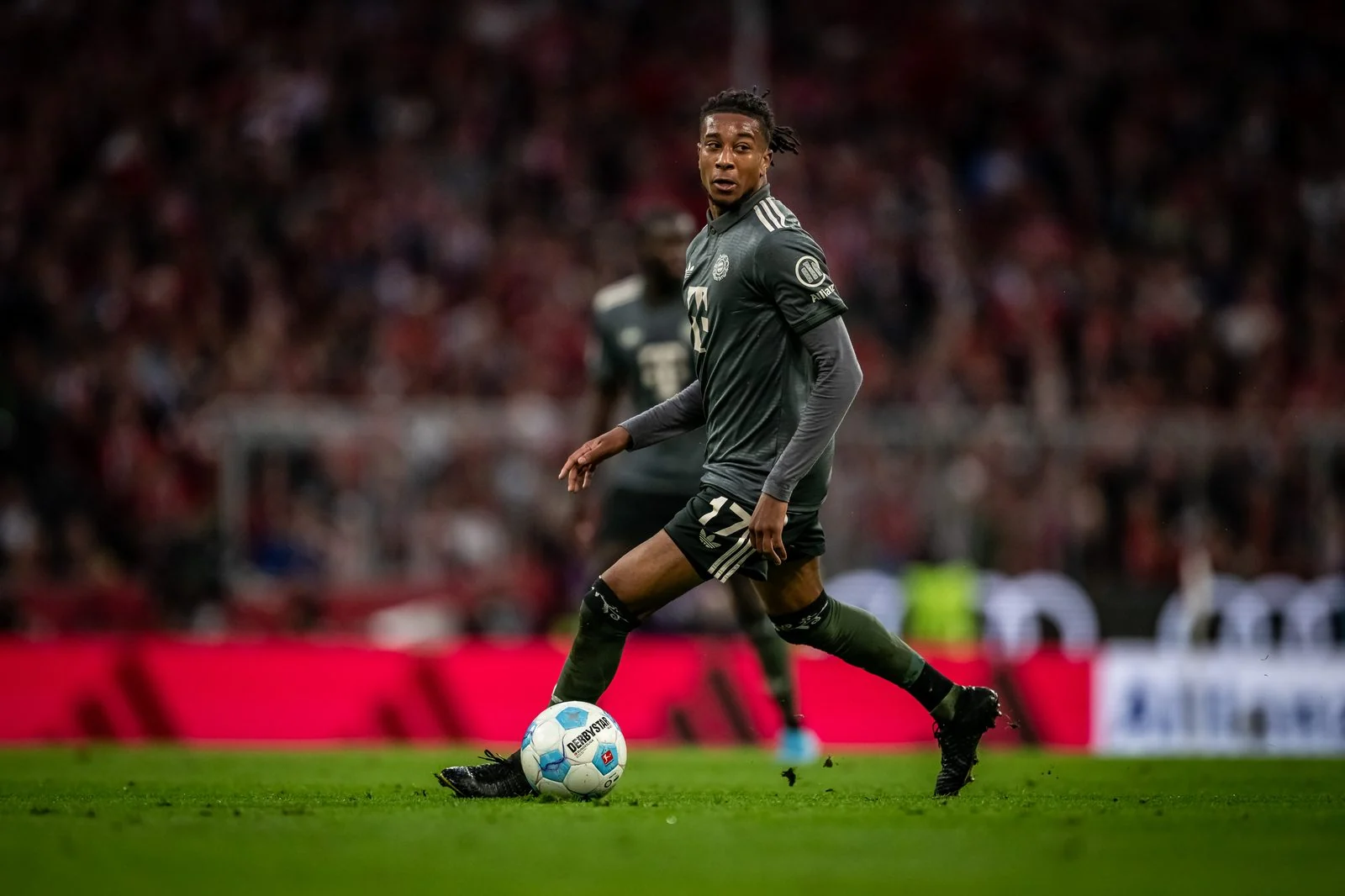
Michael Olise provides a useful practical example. He arrived at Bayern Munich from Crystal Palace in 2024 and won Rookie of the Season for 2024/25. He was already an experienced professional in another top division, yet his first Bundesliga season fitted the award's newcomer purpose. That tells us immediately that “rookie” here does not mean a player who has never appeared in senior football anywhere in the world.
The word also does not describe an academy-only honour. A club can produce an eligible youngster through its own development programme or recruit someone arriving from another country. Supporters may have different views about which path is more impressive, but those preferences should not be mistaken for the official entry conditions. First identify who qualifies; then evaluate how well the eligible players performed in their Bundesliga roles.
Finally, keep the rookie prize separate from the overall Player of the Season. Olise won the rookie award in 2024/25 and the overall award in 2025/26. Those are two achievements in two campaigns, with different purposes and candidate pools. The overall award winners guide explains that separate record. A rookie can contribute to a championship or excel in a struggling team; the key is the quality of the league breakthrough within the defined eligibility framework.
Bundesliga Rookie of the Season winners, 2016/17–2025/26
Yan Diomande is the latest completed-season winner, taking the 2025/26 award for his breakthrough at RB Leipzig. The reference below covers all ten editions from 2016/17 through 2025/26. Clubs are the teams represented in the winning season. A later move does not rewrite the entry, and a player returning to Germany years afterwards does not create a second award for the original campaign.
| Season | Winner | Club |
|---|---|---|
| 2016/17 | Ousmane Dembélé | Borussia Dortmund |
| 2017/18 | Amine Harit | Schalke 04 |
| 2018/19 | Ozan Kabak | VfB Stuttgart |
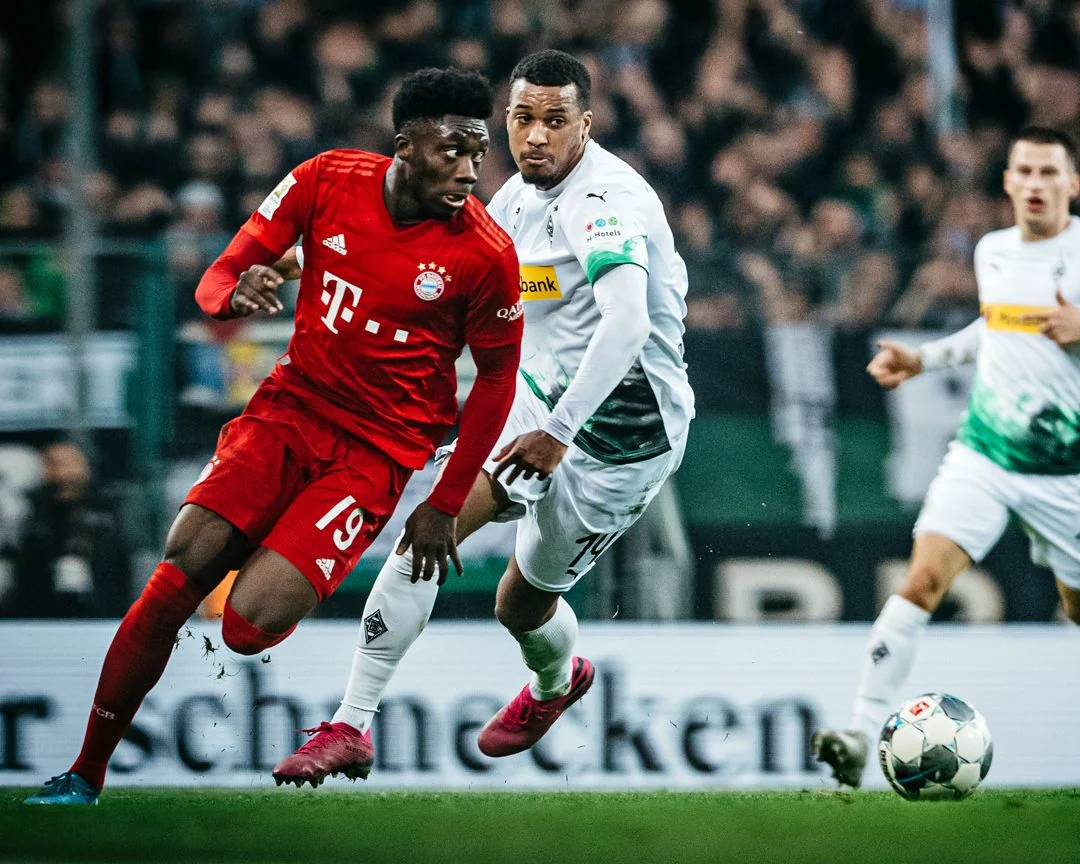
| 2019/20 | Alphonso Davies | Bayern Munich |
| 2020/21 | Silas Katompa Mvumpa | VfB Stuttgart |
| 2021/22 | Jesper Lindstrøm | Eintracht Frankfurt |
| 2022/23 | Karim Adeyemi | Borussia Dortmund |
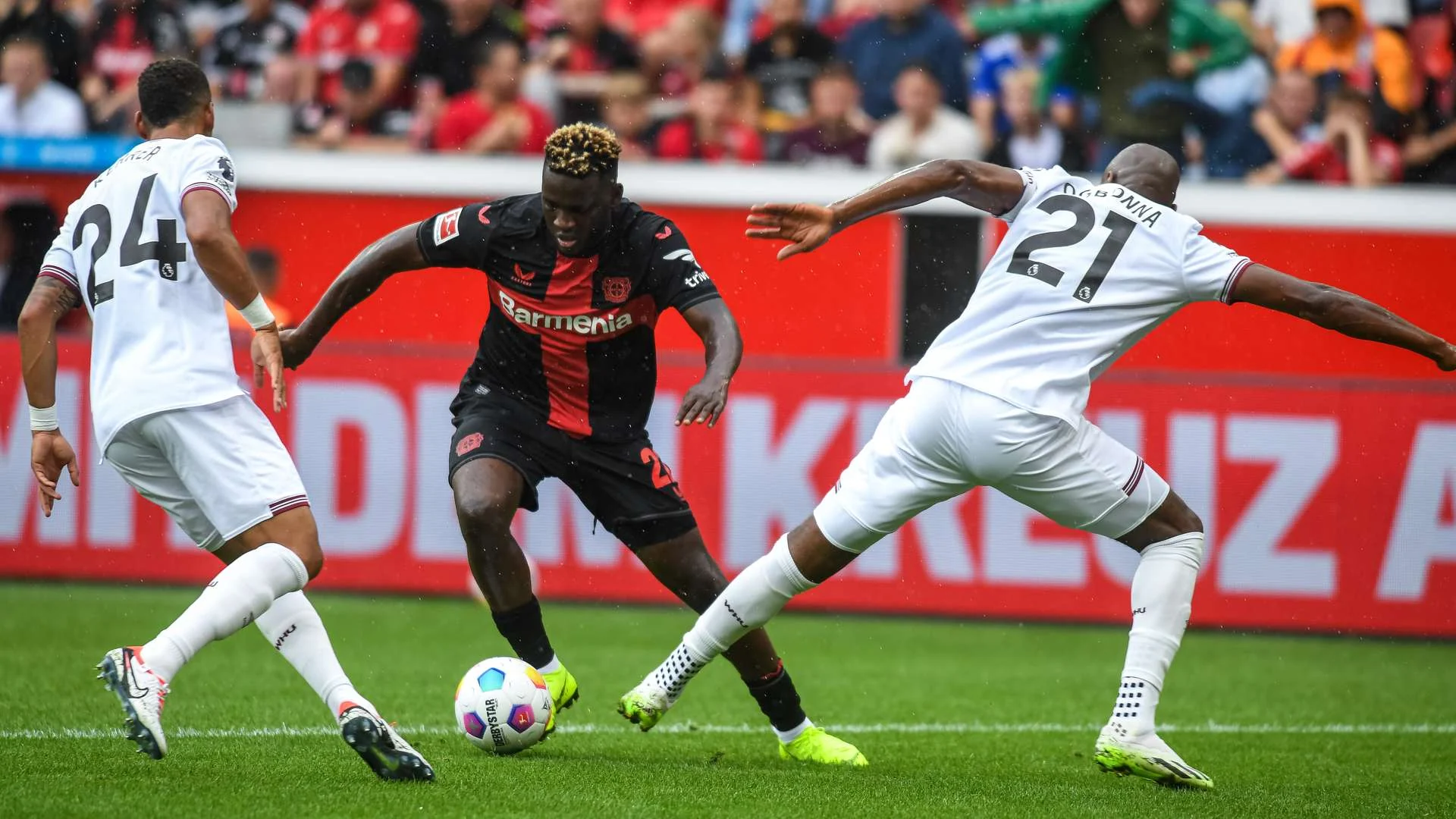
| 2023/24 | Victor Boniface | Bayer Leverkusen |
| 2024/25 | Michael Olise | Bayern Munich |
| 2025/26 | Yan Diomande | RB Leipzig |
There are a few easy archive traps. Contemporary reporting called Stuttgart's 2020/21 winner Silas Wamangituka; the club's later records identify him as Silas Katompa Mvumpa. These refer to the same award entry, not two different winners. Dates can also mislead: an award may be presented or discussed in a new season even though it recognises the previous one. Harit's presentation coverage in October 2018 belongs to his outstanding debut campaign in 2017/18.
The club distribution gives another useful perspective. Dortmund, Stuttgart and Bayern each account for two of the ten winners, while Schalke, Frankfurt, Leverkusen and Leipzig have one apiece. That spread includes different club resources, competitive circumstances and ways into the league. It should encourage a supporter to look beyond whichever academy or transfer destination currently attracts the most attention. The award's history is broader than one club's development story.
It also shows why a rookie list cannot be assembled by copying the overall Player of the Season winners. Davies received the rookie honour in the campaign when Robert Lewandowski won the overall prize. Adeyemi and Jude Bellingham took the two different honours in 2022/23. Olise's successive wins came in different categories across different seasons. Keeping the names in separate columns preserves what each achievement actually recognised.
Use this table to locate the correct campaign before watching footage or reading a player profile. A career summary often compresses several countries and competitions into one paragraph. The rookie award is more precise: it points to the season in which the player's Bundesliga arrival or emergence received this particular recognition. That is the historical question answered here, rather than a prediction of which winner later enjoyed the greatest career.
Who qualifies under the published rookie criteria?
The league's published 2026/27 explanation sets conditions involving age, previous Bundesliga starts and previous Bundesliga minutes. Read those conditions together. It is not enough to identify a player as an exciting signing, a teenager or a footballer playing for a promoted club. Eligibility is a separate question from performance, and the organiser's nominated field remains the practical reference when following an actual vote.
Age is measured on the season’s first matchday
The stated age condition is under 23 on the first matchday of the season. That fixes the assessment at a defined point instead of moving it whenever a birthday occurs. A player eligible at the start does not become retrospectively too old merely because the award ceremony takes place after his birthday. Conversely, being described as a young prospect in a transfer announcement does not replace the need to check the opening-matchday cutoff.
This is why age shown on a current profile can be misleading when discussing a historical award. A page viewed in October may display a different age from the one relevant in August of the previous year. Keep the season and its first matchday beside the date of birth. That simple habit avoids dismissing a genuine winner based on an age calculated at the wrong moment.
Previous Bundesliga starts and the 450-minute limit
The current official English explanation also says a player must not have appeared in a starting line-up in a previous Bundesliga season, and must not have accumulated more than 450 Bundesliga minutes before the current campaign. Both conditions are included in that published wording. They should not be reduced to “anyone under 23” or to the minutes threshold alone. An earlier short substitute appearance is a different situation from already holding a regular starting role.
For example, a hypothetical young player with several brief substitute appearances and no earlier Bundesliga start illustrates the limited-exposure idea. His exact accumulated minutes still need checking. A fan-made list that looks only at the number of appearances may miss substantial differences in playing time. For an edge case, use the current official candidate announcement; this guide explains the published framework rather than certifying eligibility for an individual footballer from incomplete appearance information.
Experience in another country is a different question
The minutes discussed here are Bundesliga minutes. Olise's successful 2024/25 candidature after playing for Crystal Palace demonstrates that previous senior football abroad does not automatically exclude a newcomer. The prize is about entering or emerging in Germany's top flight, not discovering an athlete with no professional background. Equally, do not impose the latest wording retrospectively on every early edition: use the rules published for the season being examined when resolving a historical eligibility dispute.
How monthly winners reach the annual vote
The season prize is selected from the Rookie of the Month winners. Monthly recognition therefore creates the route into the annual discussion. It does not mean that a player wins the overall honour by collecting a mathematically sufficient number of monthly trophies. The official explanation describes a final selection, so supporters should look for that annual announcement rather than declare a winner from a running count of earlier awards.
The 2025/26 race illustrates the route clearly. Diomande, Hamburg defender Luka Vušković and Leverkusen's Ibrahim Maza shared the monthly honours and formed the final annual shortlist. Diomande was confirmed as Rookie of the Season on 18 May 2026. Those finalists presented different footballing profiles, which made the last decision more interesting than a comparison of three players performing identical tasks in equivalent teams.
Fans, clubs and experts contribute different shares
The published weighting gives supporters 40 percent, clubs 30 percent and selected experts 30 percent. Public participation is substantial, but it is one part of a combined process. A social-media poll on a club account does not reproduce that electorate, and the volume of comments under a highlight does not establish how the official weighted vote is developing. Different platforms can discuss the same players while asking different questions.
The current monthly vote is reached through the Bundesliga app. Begin with the official nomination page and use the route it provides, checking the season and month before choosing. A page recirculating a September announcement in October may report a completed ballot rather than an open one. Likewise, an older article can retain an invitation to vote even after its result has been added. Read the headline, date and result together.
In a close football debate, remember that different constituencies bring different experiences. A fan may closely follow one team; opponents and experts can assess aspects less visible in a short highlights package. That does not prove one group is always more accurate, or reveal why a particular candidate won. It simply explains why this is a weighted award rather than a single unqualified count of online enthusiasm.
Unless the organiser publishes a full breakdown, avoid assigning a winning margin or identifying which constituency supposedly swung the result. The reliable record is the announced winner, the defined candidate route and the stated weighting. Those details are enough to follow the competition intelligently without inventing a table of votes or treating monthly wins as automatic championship points.
What different winners reveal about a breakthrough season
Alphonso Davies' 2019/20 award is a reminder to judge a position before judging a scoring total. The league's season compilation credited him with three goals and five assists from left-back. Those are useful attacking returns, but they cannot capture all the decisions required when covering the flank, supporting a winger and recovering towards his own goal. A defender's breakthrough should be assessed through those responsibilities, not by asking why he failed to match a striker's goals.
Boniface offered a different case in 2023/24. Arriving at Leverkusen from Union Saint-Gilloise, he won the rookie monthly awards for August, September, October and November. That start gave his adaptation a striking immediacy. His central-forward role involved occupying defenders, offering a target and bringing attacking teammates into play, as well as trying to score. The award recognised his introduction to the Bundesliga within a Leverkusen side enjoying an exceptional campaign.
His season also illustrates why a breakthrough is not always a perfectly uninterrupted line. The official announcement recorded a muscle injury in January and a return in April. That historical interruption does not erase his early impact, nor does it tell us anything about his present fitness. In evaluating a season, consider the work actually delivered and the context in which it occurred. Avoid inventing an alternative final total by assuming that every missed match would have produced goals at the same rate.
Olise's 2024/25 success came through a wide creator's profile, combining 12 goals and 15 assists. Diomande followed in 2025/26 with 12 goals and eight assists, while the league highlighted his one-on-one threat and duel involvement. Both could be described as dangerous wingers, yet that label is only the beginning of the comparison. Their team structures, opportunities and responsibilities still need examination before one season's totals are placed directly against the other's.
The lesson for a supporter is to watch how a newcomer earns trust. Does the coach use him only to change a game from the bench, or give him responsibility from the opening whistle? Does he remain involved when the match becomes difficult? Can he make a useful decision after losing the first duel? These questions reveal adaptation that a single spectacular goal may conceal. The rookie trophy records a successful breakthrough, while the football explains the particular form that breakthrough took.
How to follow the next rookie race as a supporter
Begin with the current season's official nominee list, then watch the players in their actual team roles. As of 20 October 2026, the awards hub identifies Maurice Krattenmacher as September's 2026/27 Rookie of the Month while retaining Diomande as the 2025/26 annual winner. These labels refer to different periods. Krattenmacher's monthly success does not make him the completed-season winner of a campaign still being played.
His September recognition offers a useful watching lesson. The league highlighted his impact from the substitutes' bench for Elversberg, including two goals in the comeback victory at Mönchengladbach. An influential substitute can make an immediate impression with limited minutes, but projecting a short burst across a full season is risky. The more interesting next question is whether the player earns a larger role and maintains his decisions and influence as opponents adapt.
When comparing candidates, put minutes beside the headline totals. A defender asked to protect a lead faces different situations from a winger introduced when the game is stretched. A starting midfielder might carry difficult possession responsibilities without producing the final assist. Watch the match state and the quality of the opposition before turning per-minute output into a universal ranking. The purpose is to understand development, not to manufacture an answer from whichever number currently looks most dramatic.
Then track repeated contributions rather than only viral moments. Does the player remain available for selection? Can he receive under pressure, recover after a mistake and perform the unglamorous part of his position? Does his team trust him in difficult away fixtures? Those questions help distinguish a successful introduction from one spectacular cameo. They also keep a defender or midfielder visible in a conversation that can otherwise become dominated by goals.
Use the club directory to explore the teams involved, and return to the league's official monthly announcement when the next ballot opens. Check the season, the nominees and whether the vote is still active. Keep personal assessments separate from official eligibility, and preserve the annual winner only after the final decision is announced. The reward for following the rookie race is discovering how newcomers become trusted Bundesliga players, long before anyone can know where their careers will ultimately lead.
JOIN THE DISCUSSION
Comments
Sign in with Google to comment. Keep the discussion focused on Bundesliga football and respectful to other supporters. New comments are reviewed before publication.
Loading comments…